Curls and heat? They've always been a tricky combo.
People reach for straighteners or blow dryers hoping for that sleek, easy-to-manage look, only to wake up a couple days later with parched, straw-like hair.
The damage doesn't show right away, it's sneaky, building up quietly until your curls look limp or break off easier.
Truth is, heat isn't the full villain here; it's using it without any shield that really messes with the cuticle and inner proteins, so that's exactly why a decent heat protectant for curly hair ends up being a lifesaver.
What Actually Happens to Curly Hair When Heat Is Applied
Curly hair is different from straight hair. The twists along each strand block sebum from sliding through the scalp down to the ends. This means curls are already more prone to dryness before any tool is plugged in.
When heat tools are introduced, the cuticle layer lifts to allow styling. Hair doesn’t suddenly flip a switch and become dry. It changes slowly. One day, curls feel normal, then weeks later, they don’t stretch the same way. They feel firmer, less forgiving, and it’s hard to point to exactly when that started.
In Australian conditions, this moisture loss happens faster. Strong UV exposure weakens the cuticle daily, and in coastal areas, salt in the air further dehydrates the hair. Heat styling then becomes the final stress point rather than the sole cause.
Why Curls Feel Dry After, Not During, Styling
The confusing part about heat damage is how delayed it can be. Freshly styled hair usually feels smooth and polished, which gives a false sense of safety. Heat creates that softness by temporarily flattening the cuticle.
It’s only later, after washing or air-drying, that changes become noticeable. The hair doesn’t respond the same anymore. It feels drier in the hand, harder to shape, like it’s lost some of its give.
This delayed reaction is why curls often get blamed for being “unmanageable,” when in reality, they’re responding exactly as expected.
Why Oils Alone Don’t Solve the Problem
Many people rely on oils before heat styling, believing shine equals protection. While oils can improve slip and reduce friction, they don’t regulate temperature. In some cases, they can even intensify heat exposure if used alone.
This is where confusion around heat protection hair oil comes in. Some products feel rich but don’t hold up once heat is involved. The hair may shine, yet dryness still slips in sooner than expected.
Oils work best when paired with a formula designed specifically for heat.
Why Curly Hair Needs Its Own Kind of Heat Protection
Heat protectant isn't the same deal for everyone, you know? Straight hair might get away with any old spray that slicks things flat, but curly hair? No, it needs something that shields without smashing the bounce or piling on gunk that just sits there.
The protection has to be super light, almost like it's not even there but still locks in some moisture so your coils don't end up crunchy or thirsty later.
That's the real kicker with a proper heat protectant for curly hair. Those basic sprays aimed at straight or fine textures chase that glassy-smooth finish first, so they coat everything heavy, make curls look weighed down or coated on top... but underneath? Still dry and cracking.
The good ones actually guard the strand while letting your curls spring back to life after a wash, no limp mess or weird residue, just protected coils that still do their thing.
Climate Matters More Than You Think
Australia’s environment adds another layer to the problem. Time outdoors adds up, especially when heat styling is already in the picture. Dry hair doesn’t spring back on its own. And in seaside regions, moisture loss can happen quietly, carried in the air rather than from the water itself.
This means curls often start from a compromised position before any styling begins. Heat applied on top of this simply accelerates dryness unless protection is in place.
This is why many Australians notice their curls becoming drier over time, even with occasional heat styling.
What a Proper Heat Protectant Actually Does
The best heat protectant for curly hair doesn't magically stop heat damage but slows the whole thing way down instead of letting it bulldoze through.
It regulates how fast the heat hits the strand while trapping in whatever moisture's already there (no more steam-blasting your cuticles open).
Plus it lets the hair cool off gradually without turning stiff or rigid, which is huge for keeping that bounce and stretch in your curls.
Without that, heat just cooks the proteins unevenly and then elasticity is gone, curls limp or breaking sooner than they should.
Texture, Density, and Why They Change the Outcome
Many curlies skip heat protectants because they dislike heavy textures. This is understandable, thick creams can weigh curls down or cause buildup.
However, good formulas are designed to be lightweight and flexible. A good heat protectant for curly hair should disappear into the hair, not sit on top of it. It should allow movement and remain soft, even after repeated use.
For those with denser curl patterns, finding the best heat protectant for thick frizzy hair is especially important. The thicker the curl pattern, the longer heat lingers. That’s why it needs extra support before styling. Protection helps control that heat retention.
Why GK Hair Thermal Protection Fits Into This Naturally
GK Hair products approach heat protection differently focusing on hair structure, not just surface coating. Formulas like GK Hair ThermalStyleHer use Juvexin technology to strengthen the hair while reducing heat stress during styling.
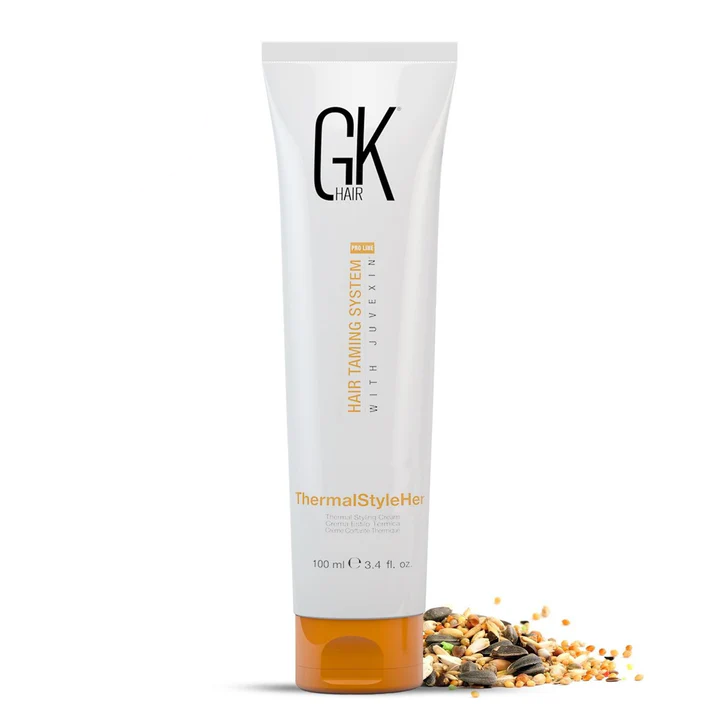
Rather than locking curls into a flat shape, this type of protection supports recovery. Hair retains flexibility, allowing curls to return after washing instead of staying limp or dry.
For those who heat style occasionally or regularly, this kind of balanced protection helps prevent gradual moisture loss.

Heat Styling Without Losing Your Curl Identity
Using heat doesn’t mean giving up on curls. Many people stretch, diffuse, or smooth their hair for convenience or variety. The issue isn’t the styling choice, it’s the lack of protection before making it.
With consistent protection, curls can bounce back. Hair stops feeling like it’s wearing out. It holds onto moisture better, breaks less, and starts to feel dependable again.
This is where using a good heat protectant for curly hair consistently changes the long-term outcome, not just the immediate look.
Where Moisture Is Rebuilt After Heat
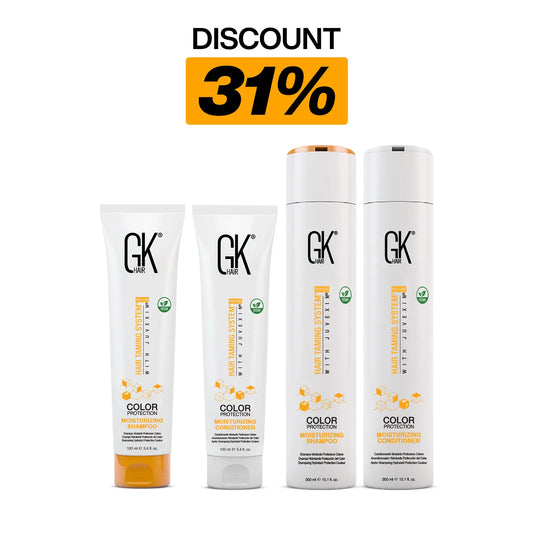
What your curls do after heat matters more than most people realise. This is where moisture is restored and texture decides whether it will bounce back or stay dry. Using GK Hair Moisturizing Shampoo and Conditioner helps gently reset the hair, replacing what heat pulls out without making curls feel heavy or coated.

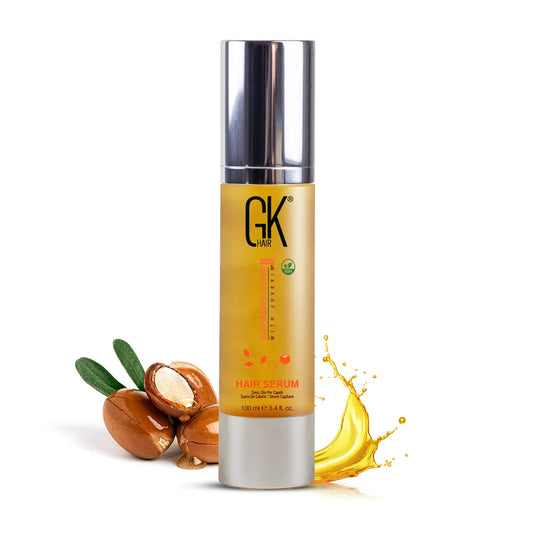
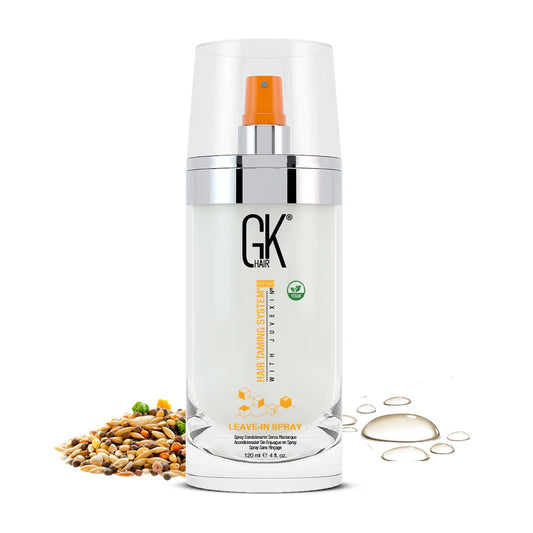
Once the hair is clean, a small amount of GK Hair Argan Oil Serum or GK Hair Leave-In Hair Spray helps seal moisture back into the strand. This step is less about shine and more about keeping curls from feeling brittle in the days that follow. It supports softness without interfering with the natural curl pattern.
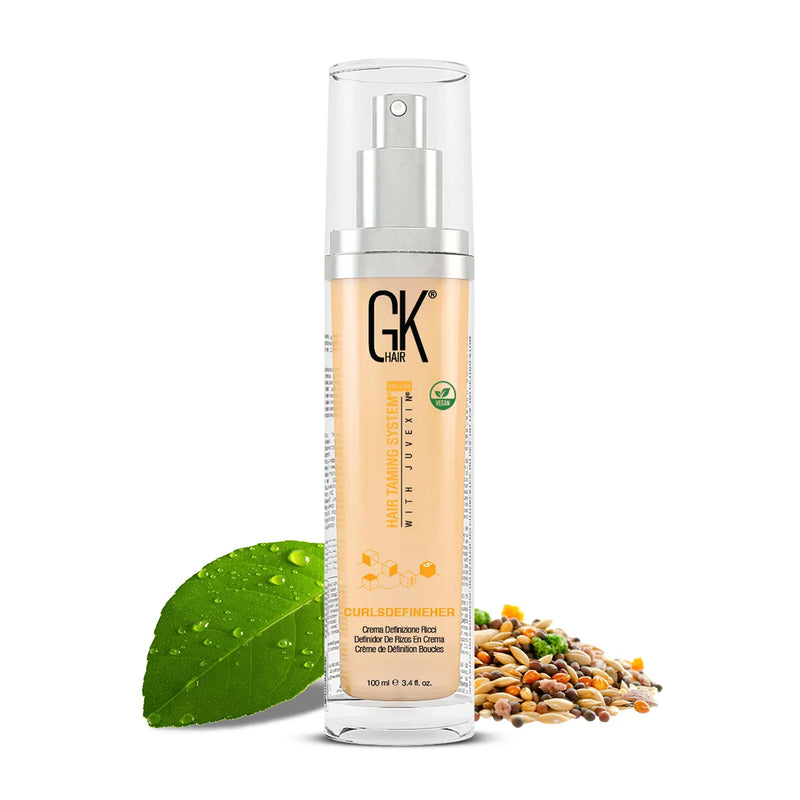
For curl definition, many people usually reach for a curl cream at this stage. Keeping the routine simple still works. With enough moisture locked in, curls often settle naturally without needing much styling product.

Want to know how to take care of your curls and make it stay intact? Read more on: Perfect Curly Hair Routine for Aussie Weather: Step-by-Step Guide.
How Often Is Too Often?
Heat frequency matters just as much as technique. Styling once in a while with protection gives curls time to recover. Regular heat use without protection doesn’t.
If heat tools are part of your routine, protection shouldn’t be optional. It becomes part of hair care, just like conditioning or cleansing.
Signs Your Curls Are Asking for Protection
Curls that feel dry days after styling, lose shape quickly, or feel rough when wet are often signalling heat stress. At this stage, damage isn’t permanent, but it can become so if ignored.
Adding proper protection early helps restore balance before breakage or curl loss sets in.
Final Thoughts
Dryness after heat styling isn’t random, and it’s not because curly hair is “difficult.” It’s a predictable response to heat without proper support. In Australia’s climate, this effect is even stronger.
Choosing the right heat protectant for curly hair changes the outcome completely. Instead of fighting dryness later, you prevent it at the source. With the right protection, curls stay flexible, hydrated, and resilient, no matter how often you switch up your style.
Heat doesn’t have to be the enemy of curls. Used correctly, it becomes just another styling option, not a long-term problem.