Sensitive scalps need a higher level of detail when choosing a hair tint. You need to be sure of what is in the formula and how it works on your hair. Getting a smooth and safe result depends on picking the right product.
What Is a Hair Tint?
Let us clear up the mix-up between hair tint and dye first. Although they both add colour, they do not work the same way. Hair tinting only covers the surface of the hair and gives a short result that fades after a few washes.
Hair dye goes deeper into the strands and lasts much longer. It changes the natural colour more permanently and needs careful maintenance. If you want a more temporary colour, then a hair tint is your best bet.
Do Hair Tints Cause Hair Loss?
The answer is not as simple as yes or no. But frankly, it depends on what type of hair loss you mean. If we are talking about alopecia, a medical condition where hair falls from the scalp, then hair tinting does not affect its progression. That condition is genetic, so tinting has no role in how it develops.
However, there are a few things to note. Some older hair colourants are stronger and contain ammonia. This can strip natural oils from the hair and make it weak. When that happens, the strands snap more easily. You will then notice a short-term hair breakage that looks like hair loss, but your hair will still grow.
Like we mentioned earlier, you won’t experience any of these with a safe hair formula.
What Makes a Hair Tint Gentle on the Scalp?
The good thing about modern hair tint formulas is that they have improved a lot. Many new formulas now use mild colour agents and nourishing oils that strengthen the strands. But do not think that all tints are gentle because you still need to choose carefully.
Dermatologists have also shared simple pointers to guide that choice. You are safe with formulas that are:
1. Free of Harsh Chemicals
Make sure your hair tint is free of ammonia. Formulas without it don’t have the strong smell of traditional colourants and are less likely to irritate or trigger allergies. You should also avoid tints with Para-Phenylenediamine (PPD) or peroxide.
In warmer regions of Australia, this is a must because the heat can already leave the scalp sensitive. Products free of these chemicals are easy on the scalp and hair. They reduce the risk of irritation or damage and still give that rich colour.
2. Soothing Ingredients
Another important thing you must not overlook is whether the tint contains soothing ingredients. Plant proteins, vitamins A and E, aloe vera, chamomile or calendula help protect the scalp. If your product has any of these, you are in safe hands.
3. Semi-Permanent or Demi-Permanent Formulas
Rest assured, any product labelled ‘semi-permanent or demi-permanent’ is gentler. These sit on the surface of the hair instead of going deep into the strand, which keeps them soft and easier on the scalp.
4. Vegan and Plant-Based Colours
Vegan colour derivatives like Henna or indigo tints are mild choices if they are pure and free from chemical additives. Say you live near the coast in Australia, they are a good choice for a natural tone and a gentle feel after sun exposure.
After confirming all these four criteria, there’s one more thing to be sure of—did it pass the allergy test? A patch test helps you find out if your scalp can handle the formula or not.
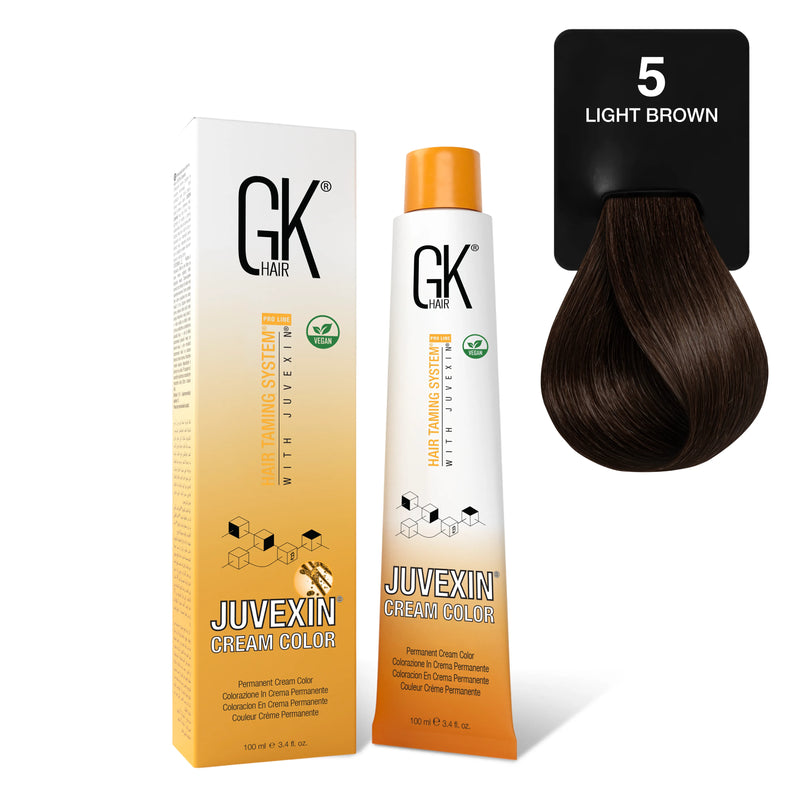
A hair tint product that ticks all these boxes is GK Hair Juvexin Cream Color. It has more than you've wished for…

The #1 Nourishing Colour Cream for Sensitive Scalp in Australia
Your hair tint experience just got better with GK Hair Juvexin Cream Color.
Remember that we mentioned how safe vegan and plant-based options are? This one fits right in. It carries a mix of coconut, acai berry, aloe vera, and citrus extracts—all known to nourish and strengthen hair from root to tip.
Now for the best part—the shades! You have 125 colours to choose from, each made to suit your tone and style. It is light and smooth on the scalp and gives more shine than most regular tints you know of.
You can pick from shades like Ash, Chocolate, Brown, Beige, Amber, Cold Natural, Copper, Golden, and Pearl. Then the list goes on. You have more than enough to create the tone you want.
Want to go more vegan with your hair care after tinting? Check out this Beginner Guide for a Plant-Based Hair Routine.
How to Use the Juvexin Cream Colour
-
Start with healthy hair. It will be a great disservice if you skip this step. If your hair is dry or weak, deep condition it a few days before you begin tinting. This gives a smoother base and helps the colour hold better.
-
Divide your hair into four or more sections for even coverage.
-
Now pick up GK Hair Juvexin Cream Color. You won’t be stranded with the 125 shades to pick from. Go for your preferred colour and mix it with GK Hair Cream Developer. Keep the ratio at 1:1.5.
-
Choose the developer volume based on your goal. Use 10 Vol for a natural tone result. 20 Vol to cover grey hair. 30 Vol for a lighter finish. Mix until the blend looks smooth and creamy.
-
Then comes the patch test. Pick a small hidden section of your hair and test it first. This helps you see the result before applying the tint fully.
-
The process is not complete without the right tool. A long bristle brush makes the work easier and neater. You do not need to look far because GK Hair Black Balayage Application Brush handles it well. Start from the roots. Then move to the mid-lengths and finally to the ends. Let it sit for 30–40 minutes to absorb properly.
-
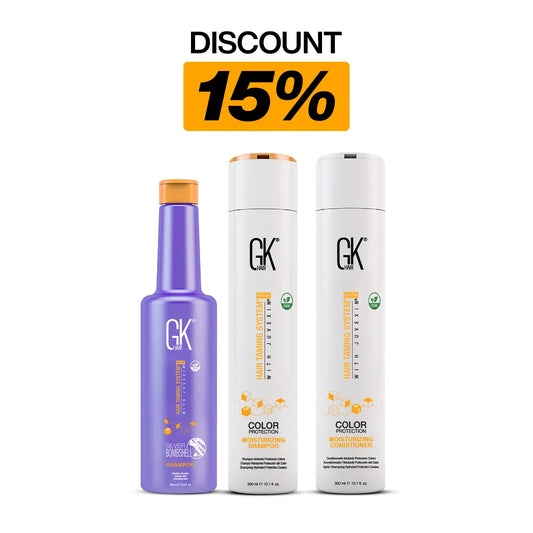
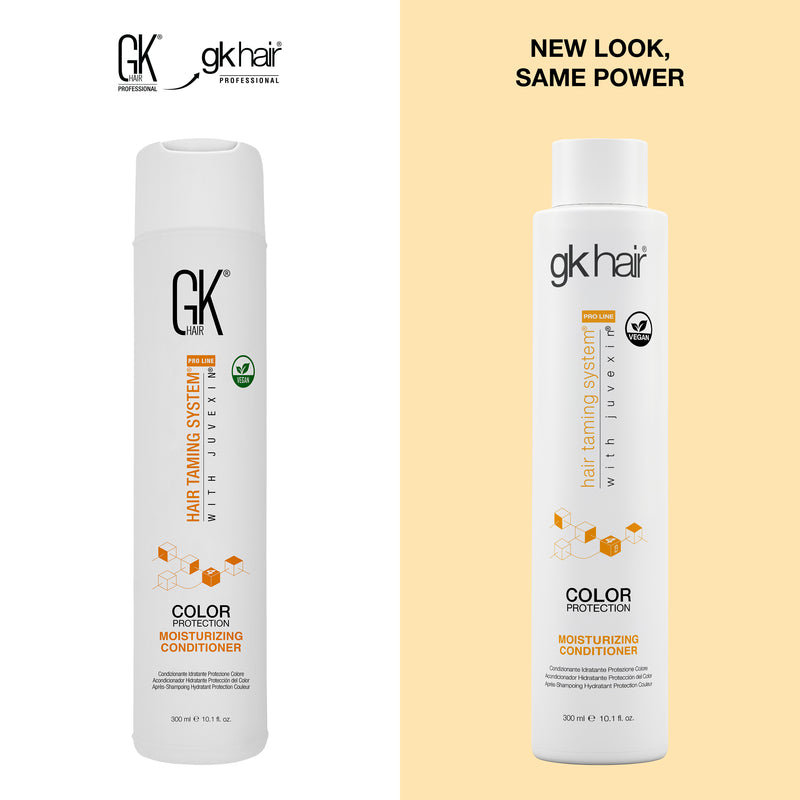
Make use of cold water to help close the cuticle and lock in shine. Then apply a hair tinting conditioner and shampoo to bring back moisture and softness. GK Hair Moisturizing Shampoo and Conditioner is a safe option for this. The duo protects the colour from fading and guards your hair from UV damage.

Can GK Hair Juvexin Cream Color Be Used on All Hair Types and Textures?
Yes! GK Hair Juvexin Cream Color works well for every hair type and texture. The formula adapts easily and gives an even result whether your hair is straight, wavy, curly or coily. It blends smoothly through different hair structures without causing dryness or damage. You can trust it to give rich colour and shine while keeping your hair strong and healthy.
Tips for Maintaining Tinted Hair in Australia
A small change in the weather in Australia can leave hair dry and the scalp tight or itchy. You need simple steps to protect your tinted hair. Here is what you can do:
-
The shampoo and hair tinting conditioner you use should be gentle. They help keep your hair moist and the colour bright.
-
You should not be heat styling. Apply a protectant first in case you have to use heat. This helps to avoid dryness and damage.
-
Rinse your hair with cool water. This is highly recommended because it seals the hair cuticle. It also keeps the colour longer.
-
Never stay long under the sun without a hat. Complement the hat with a UV hair tinting spray or masque to keep your hair always protected. GK Hair Lock Me Color Masque will be of great help.
Wrap Up
A sensitive scalp should not stop you from trying a new hair colour. When the hair tints are made from a safe formula, you have nothing to worry about. Want a safe and gentle option in between? Reach for GK Hair Juvexin Cream Colour to make your hair tinting experience easy and effective.