Your stylist guaranteed you’d have frizz-free hair for months, but by wash three, you’re already inspecting your fringe in panic. How long does keratin treatment last? That's likely the question you truly wanted answered. It depends on your hair type and how well you care for it post-treatment. Nail both of those, and that salon-worthy shine will last way longer than you expect.
How Long Does Keratin Treatment Last?
Keratin treatments typically last three to six months before you begin to see fading, with the average client falling somewhere around four months. Where you fall on that spectrum depends on your hair type, the frequency of washing, and how well you maintain it after treatment.
Washing frequency, hair texture, and aftercare products can move that mark up or back. The straighter and finer your hair texture, the longer your sleek style will likely last. Curly-haired or color-treated hair textures may fade more quickly.
Average Duration for Most Hair Types
Whether you get your treatment at the salon or with an at-home kit, the average is 4 months. Keratin doesn’t fade out in one wash like a semi-permanent color would. You can expect salon applications to last slightly longer than at-home kits, since stylists can better control processing time and flat-iron temperature than most at-home systems.
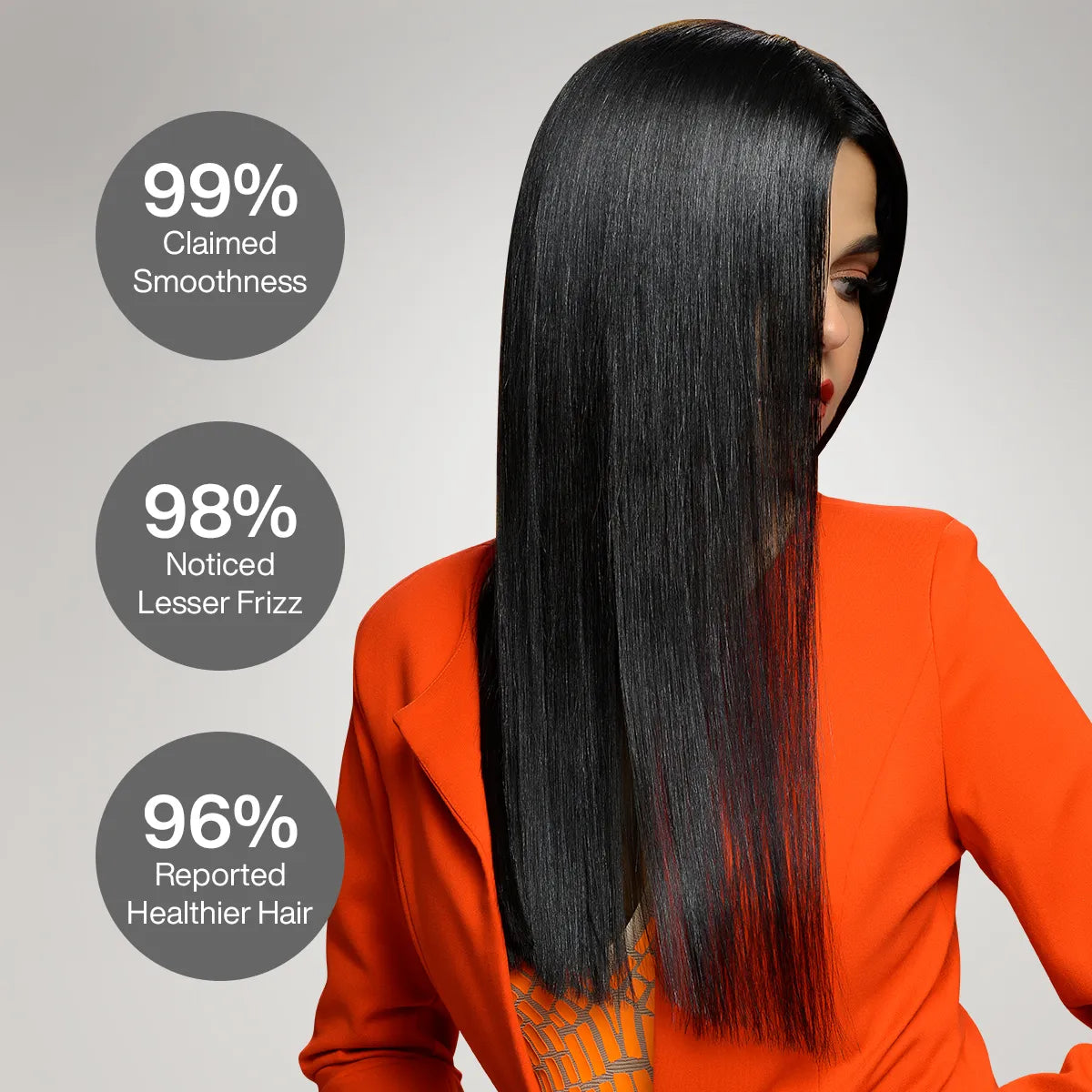
However, GK Hair stylists in our partner salons report that clients who limit washes to twice weekly and avoid daily straightening can routinely achieve four to five months from a single treatment, though this is an observational insight from the salon floor, not precise lab findings.
Some of that longevity can be attributed to Juvexin, our non-hydrolyzed keratin protein blend that penetrates the hair cortex and coats the cuticle. It's used in salons across more than 75 countries and wears down gradually instead of washing out in one go, which is why hair absorbs it a little differently from person to person and why the factors below matter more than the months printed on the box.
What Affects the Lifespan of a Keratin Treatment?
Five factors determine how long your keratin treatment will last: your hair type and texture, how frequently you shampoo, swimming (chlorinated or salt water), heat styling frequency, and the products in your bathroom cabinet. Sulphates strip the smoothing layer quickest. Avoid them.
1. Hair Type and Texture
Straighter hair keeps smoothing treatments longer because there is less natural curl working against the sleek cuticle.
2. Washing Frequency and Shampoo
Every time you wash your hair, you're losing a bit of the smoothing effect. Sulphate shampoos are harsher and remove smoothing treatments quicker than non-sulphate alternatives.
3. Heat Styling
Flat irons and dryers above 180°C break down keratin bonds quicker than lower, more controlled heat.
4. Swimming and Water Exposure
Australians love our beaches, and holidays often involve swimming pools and oceans. But chlorine increases hair's porosity, which Hims Health's research on hair chemistry says lets the hair shaft absorb and lose water more easily. Lose that protection and you lose the keratin smoothing effect with it.
5. UV Exposure
Sun kissing is awesome, but too much time in the sun can degrade your hair protein levels. Research published in the Journal of Photochemistry and Photobiology found that UV radiation degrades hair proteins and causes measurable protein loss.
How Long Does Keratin Treatment Last on Different Hair Types?
Hair texture matters too. Thin or straight hair can last five to six months before needing another keratin treatment; curly and coily hair tends to fade within two to three months; color-treated hair averages about four months; and hair that is already weak or damaged will need a shorter interval between treatments to prevent over-processing.
|
Hair Type |
Typical Duration |
Extra Care Note |
|
Fine or straight |
5 to 6 months |
Space out repeat treatments; over-treating fine hair makes it feel flat and waxy. |
|
Thick or coarse |
4 to 5 months |
Needs a longer processing time in-salon, so results tend to hold evenly |
|
Curly or coily |
2 to 3 months |
Cold-water rinses help the smoothed cuticle hold its shape between washes. |
|
Color-treated |
3 to 4 months |
A color-safe, sulfate-free duo protects the color and the treatment together. |
|
Damaged or over-processed |
6 to 8 weeks |
Deep condition weekly and let hair recover before booking another chemical service. |
What Happens During the First Few Weeks?
The first 72 hours matter most. Most stylists recommend avoiding water, clips, and ponytails during this window so the protein has time to fully bond to the hair shaft. Your keratin treatment after the first wash will look its smoothest, setting the benchmark your results gradually ease away from.
The First Wash, Settling Period, and Maintaining Results
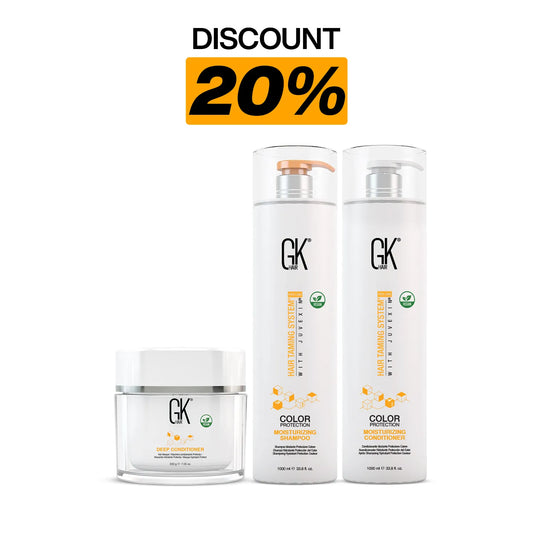
Premature washing is the number one mistake people make when sabotaging their own results. After the 72-hour mark, transition into a gentle, sulfate-free regimen immediately, not gradually. Our moisturizing shampoo and conditioner are best for normal- to dry- or color-treated hair that needs a gentle, sulfate-free refresh following that initial wash.
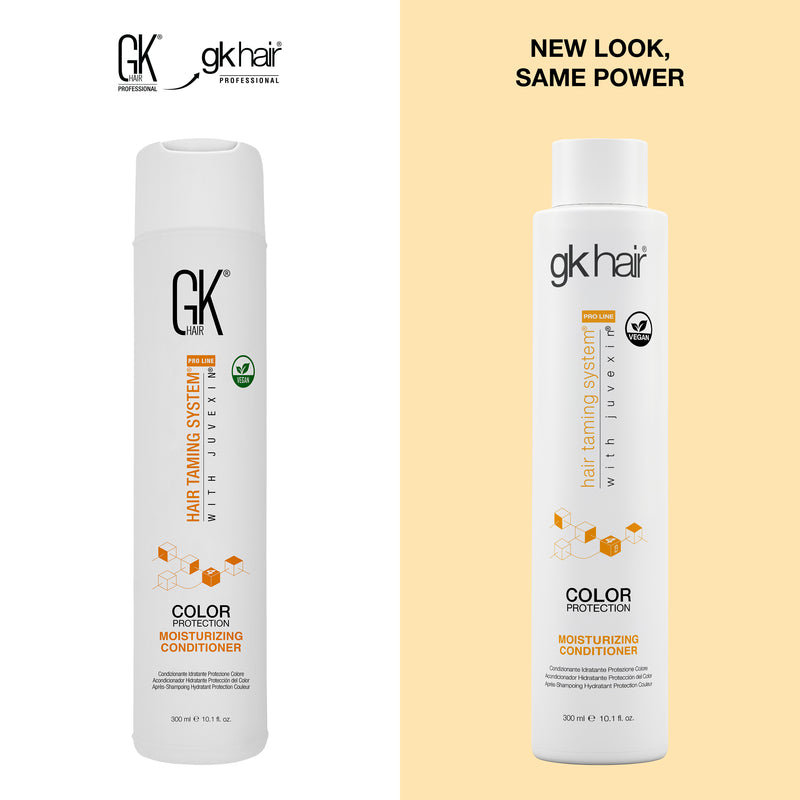
Apply 2-3 times per week by lathering shampoo through mid-lengths and ends, then follow with conditioner to allow the smoothing film to remain intact rather than being washed away. Detangling in these first few days matters too: reach for a wide-tooth comb or soft-bristle brush, start at the ends, and work up gradually instead of pulling straight through knots at the root.
The duration of the settling period is approximately one month. Adhering to a basic keratin treatment aftercare routine during this time is what truly determines long-term results. Hair after keratin treatment feels the lightest and easiest during the month of settling before slowly returning to normal underneath.
What to Expect After Three Months
At three months, most people begin to see changes. A keratin treatment after 3 months will likely show gentle waves returning at your roots, a little extra frizz on humid days, and hair that requires a good blow-dry to get that once smooth, straight look you see when you pull it out of the shower. That's normal fading, not a failed treatment.
Signs the Treatment Is Beginning to Wear Off
The biggest sign is definitely regrowth, since new growth will have its natural texture that the treatment doesn't affect. Hair becoming frizzy in humid or rainy weather is another tell, particularly if you live in Queensland or the Top End, where you get tropical humidity for most of the year.
Somewhere around this point, a lot of people Google how long keratin treatment lasts again just to make sure they're not going crazy. Dry or dust-filled air during bushfire season can have the same effect in parts of regional Australia. Hair taking longer to blow dry and not looking as shiny under your usual products are other signs.
How to Make a Keratin Treatment Last Longer
Longer results are achieved through gentle practices, not chance. Wash less frequently, avoid sulfates, limit heat styling devices to below 180°C, immediately rinse out chlorine and saltwater, and use a leave-in product prior to swimming or blow-drying. It's simple stuff, but missing just one area will shorten your silky-frame time quickly.
Sulfate-Free Shampoo, Conditioner, Heat Protection, and Washing Habits
-
Don’t wash your hair every day. Stretch your washes out to two or three times per week, using dry shampoo in between.
-
Use a sulfate-free shampoo and conditioner from now on, not just for the first 30 days.
-
Shampoo after swimming in chlorine or saltwater with fresh water and apply a leave-in cream such as our Leave-In Conditioner Cream, best for any hair type that needs extra moisture and cuticle protection before heat or air-drying, through the ends before it dries.

-
Keep your straighteners and dryers below approximately 180°C and allow your hair to air dry partway through when time permits.
-
Sleep on a silk or satin pillowcase to reduce friction that tears up a sleek cuticle during the night.
-
Deep condition once a week with a moisturizing treatment like our Deep Conditioner, best for any hair type that needs its moisture topped up without disturbing the smoothing process.
Stylist’s Corner: Dry with a towel, not rub with a towel. The biggest tip we see ignored by clients: they grab a towel and bunch it through damp, keratin-treated hair like they normally would, roughing up the cuticle almost as much as if they had run a brush through it while wet. Gently press with the towel instead, and reserve the friction for your workout towel.
When Should You Get Another Keratin Treatment?
The majority of clients rebook every 3-5 months, just when that salon-smooth finish starts fading, but before it's gone. WebMD says that keratin services are often redone every 12 weeks to maintain results; healthy or finer hair can sometimes last longer.
Recommended Touch-up Schedule Based on Hair Type
See the above table for hair-type-specific details. As a baseline recommendation, however, schedule your follow-up appointment when you start to notice regrowth rather than when you start to feel like your head isn't so smooth. A top-off is less stressful to your hair than reapplying treatment to already treated hair that is beginning to fade.
Also, by aligning your appointment to coincide with when your hair naturally starts to fade rather than getting in early just because you're used to doing so, you will have fewer total treatments in a year, which is healthier for your hair and your wallet.
Timing that with your lifestyle, The Best Keratin Treatment works best for anyone needing a follow-up on fine hair, curly hair, resistant hair, or color-treated hair because it is formaldehyde-free, works with any hair texture, and doesn't compress your natural hair volume.
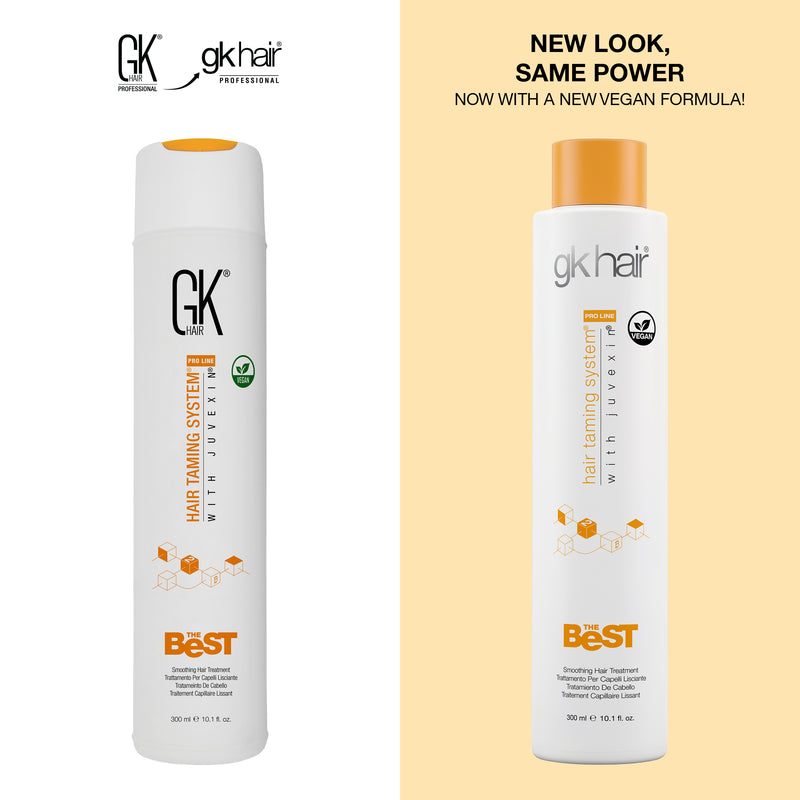
Your stylist will section your hair and apply the treatment. After waiting 40-60 minutes for the treatment to process, your stylist will seal it in with a flat iron. Most clients can return to swimming and sun exposure in about 3 days.
Common Mistakes That Reduce Keratin Longevity
The quickest way to cut your keratin treatment short is by doing the things that strip it before it's had time to fully set in. Washing too soon, tying hair up within the first few days, getting a color or perm too soon after, using old, worn styling tools, and allowing pool or ocean water to soak in your hair are the top five mistakes stylists notice.
Treating it like your hair came from your head before the appointment. This is the first mistake because it will reverse your results quicker than anything.
1. Avoid Washing for 72 Hours
You need to allow the protein time to bond to the hair shaft.
2. Avoid Tying or Clipping Your Hair
Clipping, tying your hair, or tucking it behind your ears within the first 3 days can create dents or kinks in the newly smoothed style.
3. Delay Color or Perm Services
Getting a color service or perm too soon after the treatment can clash with the smoothing layer or strip it away too soon.
4. Avoid Old or Oxidized Flat Irons
An old or oxidized flat iron plate can drag and snag the hair rather than glide smoothly through it.
5. Rinse Hair After Swimming
If you swim in chlorinated or saltwater, rinse your hair immediately rather than allowing the water to sit on the hair for hours.
Hair that feels thin or is already over-processed from previous chemical services needs time to recover before it will retain anything well. Allowing a few weeks of deep conditioner hair treatments for soft, healthy hair does much more for your next keratin treatment than going straight into another chemical service. The rebuilding process is what allows the treatment to actually hold.
FAQs
Does hair type affect how long keratin treatment lasts?
Yes, hair type is one of the largest factors. Fine, straight hair will usually retain a treatment for 5-6 months, whereas curly or coily or over-processed hair will fade closer to the 2-3 month timeframe due to mostly having more natural texture fighting against that smoothed cuticle daily.
Does the first wash affect how long a keratin treatment lasts?
Yes, washing too soon is one of the quickest ways to cut your results short. Using water or shampooing before the treatment has fully bonded to your hair, typically within the first 72 hours, will wash out some of the smoothing process before it ever has the chance to fully set into your hair shaft.
Is it normal for a keratin treatment to fade after three months?
Yes, gradual fading by three months is absolutely normal and expected for the reasons stated above: regrowth, humidity, and normal washing gradually break down the smoothing layer. It is proof that the treatment is working correctly, not that it failed or was applied incorrectly.
Can I comb my hair after keratin treatment?
Yes, but carefully and only after the treatment has completely processed. Brush with a wide-tooth comb or a soft-bristle brush, starting at the ends and working up, because pulling through knots at the scalp can put tension on your hair and the smoothing coat while it's still processing.
What mistakes make a keratin treatment wear off sooner?
Premature washing before 72 hours, cutting hair too early, and coloring or perming too soon top the list. Overused styling implements and forgetting to rinse off after swimming in a chlorinated pool or salty sea combine to finish it off, and a combination of two or three of these mistakes can take weeks off your color.
Extend Your Keratin Results Today
So, how long does keratin treatment last? Keratin treatments can last between three and six months, depending on your haircare routine. Wash less frequently, avoid sulfates, and check out our Hair Treatments and Services collection to choose the right formula for your hair. Schedule your next maintenance session before the frizz catches you.