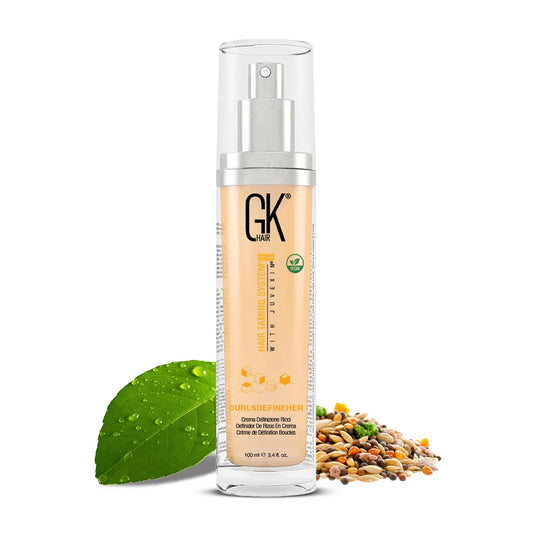
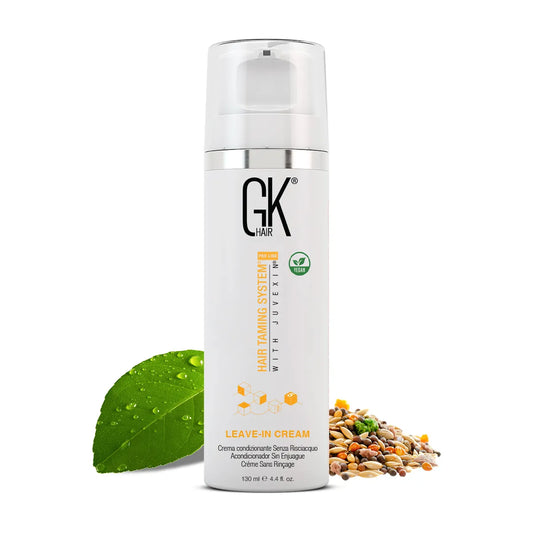
Pregnancy is quite special for expecting mothers, but it comes with new measures— including how you colour your hair. A lot of expectant mothers worry about fumes and chemicals, they keep thinking if it’s safe to dye at all. You can still enjoy beautiful hair throughout your term with the right products, proper air circulation, and techniques. Just plan carefully and make small adjustments that will protect both you and your baby.
Why Ventilation Matters More Than You Think
Hair dyes release fumes that make your nose and throat feel sore or cause dizziness—especially during pregnancy. According to the New York State Department of Health, strong chemical smells can make you uncomfortable or worsen nausea. In this case, getting a proper vent is not just a luxury; it’s a safety measure.
The thing is, fancy equipment of any sort isn't required to keep the air clean. All you have to do is open the windows, position a fan to blow fumes away from your face, or choose a salon with good airflow.
Choosing Pregnancy Safe Hair Colour
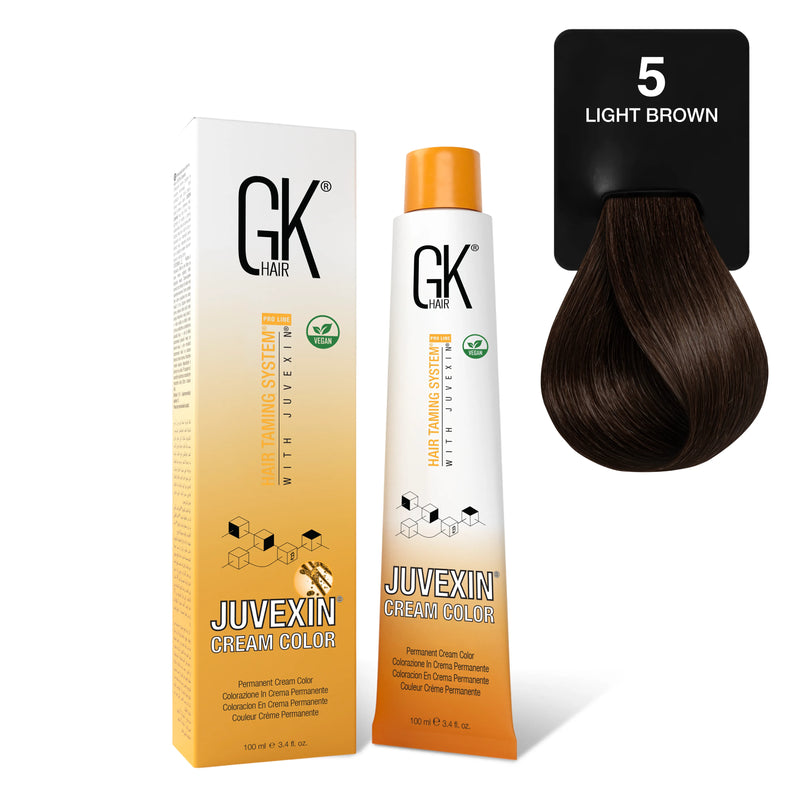
Not all hair dyes are safe, especially when you’re pregnant. Look for products specifically labeled “pregnancy safe hair colour” like GK Hair Juvexin Cream Colour Range. These dyes don't have ammonia and resorcinol, so they are gentler on your hair and senses.
Many salons now have pregnancy safe hair dye in Australia. This means you can enjoy professional results in Aussie without all that worry. Your stylist can recommend a semi-permanent, low-fume dye. This type deposits colour gently, leaving your hair shiny without penetrating too deeply. It’s also known as pregnancy-friendly hair colour, designed to give you the look you want while reducing chemical exposure.
Small Changes That Can Make a Big Difference
Even if you use pregnancy-safe hair dye, you should pay more attention to avoid fumes and ensure your safety:
-
First, conduct a patch test. Sensitive skin is common during pregnancy. Testing a little part assures that you will not experience irritation.
-
It's important you use gloves and a protective cap as well. This is to reduce the way you are exposed to chemicals and keep your skin pleasant.
-
Limit scalp contact for techniques such as balayage and highlights. This results in lower chemical exposure.
-
If in the course of the procedure, you feel choked, go outside for a few minutes. Then try to take deep breaths, this makes everything much more comfortable.
-
The less time your hair is exposed, the better. Your stylist may work efficiently without rushing, prioritising your comfort.
Professional Guidance Matters
When you’re expecting a baby, doing certain things by yourself is not always the best, especially hair colouring. Allowing a professional stylist to handle it makes everything easier. They know the gentle products to pick, how to control strong smells, and how to finish quickly so you don’t sit for too long.
It’s the same way you would rather see a doctor than treat yourself at home.
Sometimes you can manage things by yourself, but the peace of mind that comes when an expert handles it is on another level. For an expectant mum, the real assurance comes from knowing that someone experienced is taking care of everything. No worrying about fumes, no rushing, no confusion — your stylist guides you through, keeps you comfortable, and makes you feel cared for from start to finish.
Many dermatologists and obstetricians say that modern hair dyes are generally low-risk when used correctly. But they also ask you to go to pregnancy safe hair dye salons because these professionals know how to do their job properly.
The whole point shouldn't be centered on how good you look; but on how safe, relaxed, and respected you feel. A good stylist will never make you think you are doing too much. Instead, they remind you that you deserve to be beautiful while expecting your baby.
Tips for Hair Care After Colouring
Even with pregnancy safe hair colour, your hair goes through a chemical process. Giving it extra attention can help it stay in good condition.
Keep Moisture Seriously on Lock
Pregnancy can make some women's hair feel softer and drier for others, so hydration is important for everyone. A weekly nourishing mask can help your strands stay strong, shiny and less likely to break. If you cannot sit with a hair mask for long, 10–15 minutes works. It’s the small consistency that matters, not perfection.
Take a Break From Heat, Your Hair Will Thank You
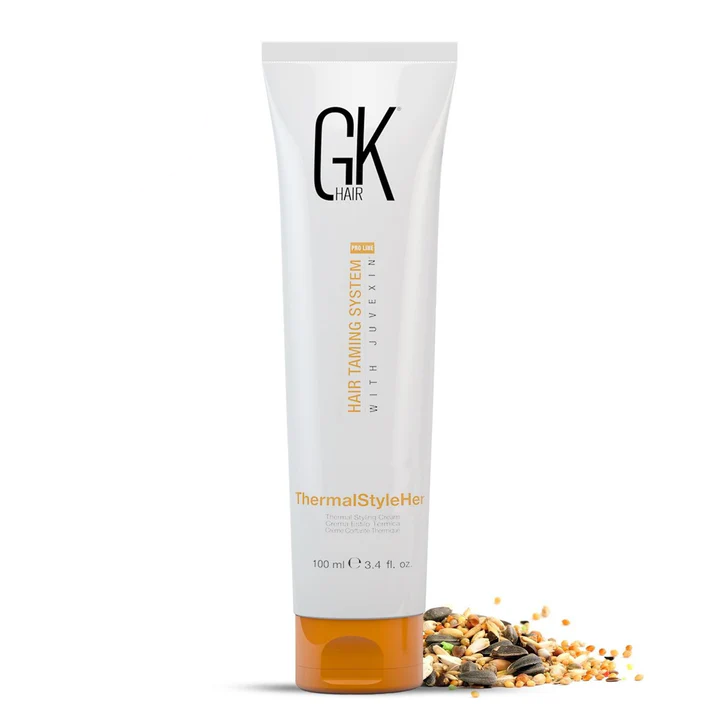
Your hair is a bit more sensitive after you colour. Heat from straighteners, curling irons or blow dryers can make it feel rough and dry. Allow it to air-dry when you can, and if you must use heat, a protectant like GK Hair ThermalStyleHer Cream will save your strands from damage.

Washing Every Time Is Unnecessary
Many of us grew up believing the hair must be washed all the time.
If your hair is coloured, washing it less can actually help. It also keeps your hair from drying out too quickly. So washing two or three times a week is fine, not dirty, or unhygienic, just smart.
If you’re not sure on which shampoo to use, read on: Best Shampoo and Conditioner That Nourish, Cleanse & Restore in One Routine. This gives simple steps to get it right without confusion.
Baby, the Ends of Your Hair
The ends are the oldest and weakest part of the hair, and this is where dryness shows first. A lightweight serum can help them stay smooth and reduce breakage. Even if you don’t do any other hair care step, protecting your ends alone can make your hair look like you just left the salon.
The Bottom Line
You don’t always have to wait until after pregnancy to colour your hair. Many people enjoy their favourite shades safely by using gentle products, keeping the area ventilated, and checking with a professional stylist.
Even simple precautions can make a big difference. Want to see the highlights? Do you want to cover your grey? Or are you simply in the mood for a fresh colour? You can do all of this while pregnant, as long as you do it safely and carefully.